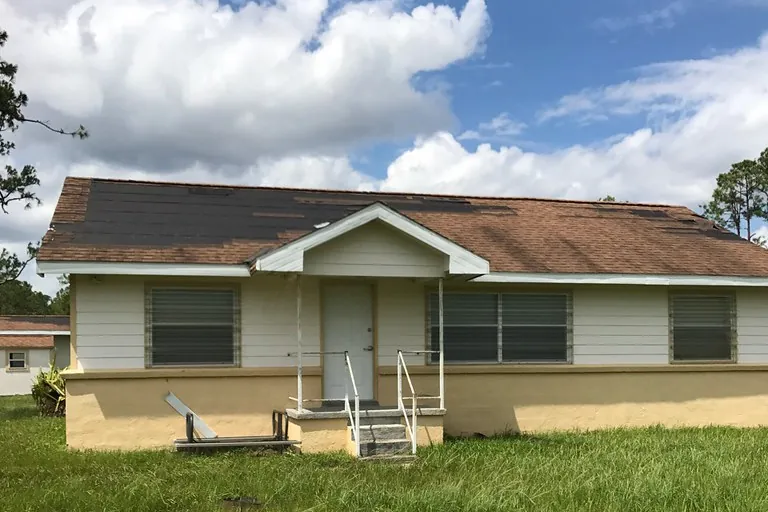
Oklahoma sits in the heart of hail country, and storms that roll off the High Plains in spring can drop stones across the metro in minutes. The May 16, 2010 storm in the Oklahoma City area is still remembered for the damage it left behind. When hail hits your home, the quality of your documentation often shapes the whole claim.
Start on storm day
Evidence fades fast. Granule loss washes off, dents oxidize and soft metal gets painted. As soon as it’s safe, write down the date, the time the hail started and stopped, and the largest stone size you saw. Photograph hailstones next to a coin or ruler if you can, and save local weather alerts or news reports.
Ground-level evidence
- Dented gutters, downspouts and window wraps
- Spatter marks on fences, decks and siding
- Torn window screens and dinged AC fins
- Damage to vehicles parked outside
These collateral marks help show the size and direction of the hail, which matters later when someone argues about the roof.
Documenting the roof safely
Don’t climb a steep or wet roof yourself. A roofer, appraiser or adjuster with fall protection should handle it. What you want is a slope-by-slope record: a wide shot of each slope, close-ups of hits with chalk circles and a scale reference, and photos of soft metals like vents, flashing and ridge caps.
Test squares
Many carriers and appraisers mark a test square, often ten feet by ten feet, on each directional slope and count the hits inside it. Ask for the counts to be written on the photos. If a slope looks undamaged, photograph that too. A complete record is more persuasive than a selective one.
Roof size matters just as much as the hits. Measure pitch and squares, or check the numbers with our roof pitch and squares calculator.
Functional versus cosmetic
Carriers often separate damage that affects how a roof performs from damage that only changes its look. A fractured shingle mat or punctured panel is functional. A shallow dent on a metal roof may be treated as cosmetic, and some Oklahoma policies carry an endorsement that excludes cosmetic hail damage altogether. Read our guide on roof payment schedules and cosmetic exclusions before you assume coverage.
Keep an organized claim file
Store everything in one place, organized by date. A simple folder structure works:
- Policy and declarations page
- Storm-day notes, weather records and hailstone photos
- Exterior and roof photos, labeled by slope
- Interior photos of any leaks or stains
- Contractor bids and the carrier’s estimate
- All letters and emails with the carrier
Note the name of every person who inspects and the date. If a second storm hits before repairs, as happens in busy Oklahoma springs, dated photos help separate one event from the next.
Mitigation records
If hail cracked a skylight or opened a leak, tarp it and keep the receipts. Most policies require reasonable steps to prevent further damage, and those costs are often reimbursable.
When the estimate comes back short
Compare the carrier’s estimate to your documentation line by line. Missing slopes, low square counts, no steep charge and missing soft-metal items are common gaps. Send a written supplement request first. If the disagreement stays, appraisal may be the next step; our hail and roof damage appraiser page explains how we handle these files across Oklahoma.
Regional patterns across Oklahoma
Hail claims look a little different depending on where you live. In the OKC metro and Moore, dense neighborhoods mean a single storm can hit thousands of roofs at once, and contractors book up fast. Keeping your own photos protects you if an inspection is weeks away.
In Green Country around Tulsa and Broken Arrow, mature trees can shield parts of a roof, so damage may vary sharply from one slope to the next. Photograph the shaded slopes as carefully as the exposed ones. On the High Plains near Enid, Woodward and Guymon, wind-driven hail often strikes siding and windows on one side of the house harder than the roof itself.
Outbuildings and farm property
Rural claims often include metal barns, shops and equipment sheds. Document each structure separately and check whether it falls under Coverage B, a farm schedule or a separate policy. Metal buildings are where cosmetic exclusions most often come into play, so close-up photos of seams, fasteners and any punctures are worth the extra time.
Wherever you are, aim for one record that a stranger could follow: the storm, the damage on each surface and what it would take to repair. That standard serves you whether the claim settles with a supplement or goes to appraisal, and you can check how the numbers stack up with our RCV, ACV and holdback calculator.